Freight forwarding is one of the most critical components of international logistics and global supply chain management. As global trade continues to expand, businesses depend on efficient freight forwarding services to transport goods across borders quickly, securely, and cost-effectively.

Introduction to Freight Forwarding in Modern Logistics
Freight forwarding is one of the most critical components of international logistics and global supply chain management. As global trade continues to expand, businesses depend on efficient freight forwarding services to transport goods across borders quickly, securely, and cost-effectively.
A freight forwarder acts as a logistics intermediary between shippers and transportation carriers. They manage the complete cargo shipping process including route planning, carrier selection, documentation, customs clearance, cargo consolidation, and final delivery.
In today’s competitive market, professional freight forwarding is not just about transportation — it is about optimizing supply chain efficiency, reducing shipping costs, ensuring compliance, and minimizing transit delays.
What Is Freight Forwarding?
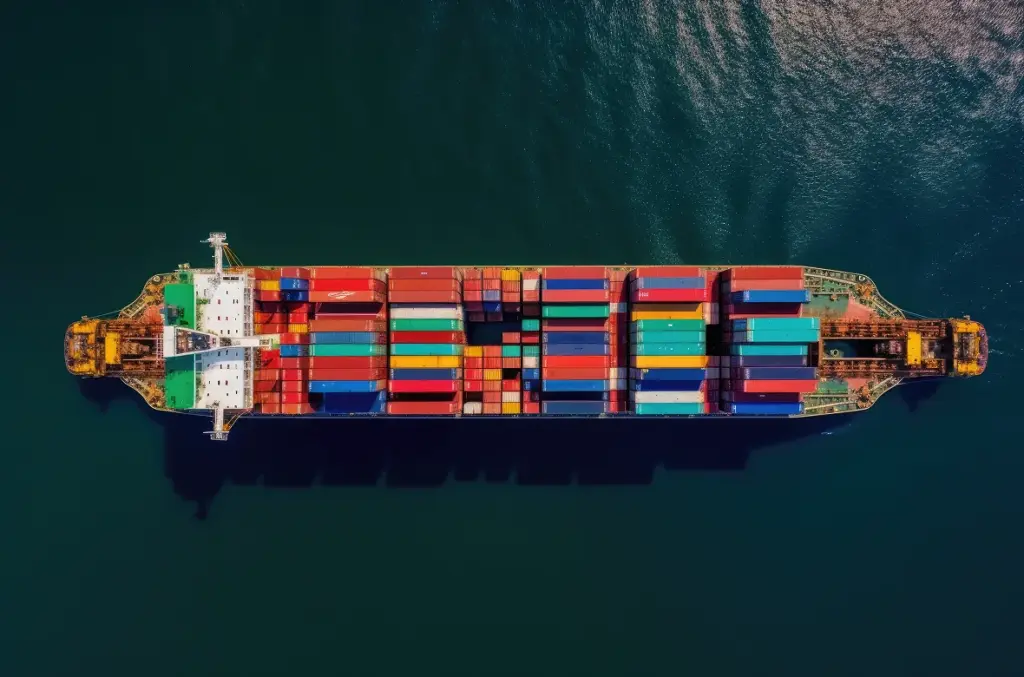
Freight forwarding refers to the organized coordination of cargo movement from one destination to another through air freight, sea freight, rail, or road transportation. The freight forwarder does not typically own the transportation assets but arranges shipment through shipping lines, airlines, and logistics providers.
Core Objective of Freight Forwarding
- Ensure safe cargo transportation
- Optimize shipping routes
- Manage international trade documentation
- Facilitate customs clearance
- Reduce freight costs
- Improve supply chain visibility
Freight forwarding simplifies international shipping for importers, exporters, manufacturers, wholesalers, and eCommerce businesses.
Key Responsibilities of a Freight Forwarder
Below is a structured overview of freight forwarding functions: Each of these responsibilities plays a vital role in maintaining efficient global logistics operations.
| Responsibility | Description | Business Impact |
|---|---|---|
| Route Optimization | Selecting fastest and most cost-effective transport routes | Reduced transit time |
| Carrier Negotiation | Managing freight rates with shipping lines and airlines | Lower shipping costs |
| Customs Clearance | Handling import/export compliance and duties | Avoid shipment delays |
| Documentation Management | Preparing bills of lading, invoices, packing lists | Regulatory compliance |
| Cargo Insurance | Arranging insurance coverage for shipments | Risk mitigation |
| Shipment Tracking | Providing real-time cargo updates | Better supply chain control |
The Freight Forwarding Process Explained Step-by-Step
Understanding how freight forwarding works helps businesses plan better logistics strategies.
Step 1: Cargo Booking & Planning
The process begins with shipment details including weight, volume, cargo type, and destination. The freight forwarder evaluates the most suitable transport mode — air freight for urgent shipments or sea freight for bulk cargo.
Step 2: Freight Cost Estimation
The forwarder calculates shipping costs based on:
- Freight charges
- Fuel surcharges
- Customs duties
- Handling fees
- Insurance costs
Step 3: Documentation & Compliance
Proper documentation ensures smooth customs clearance. Key documents include:
- Commercial Invoice
- Packing List
- Bill of Lading or Airway Bill
- Certificate of Origin
- Import/Export Licenses
Step 4: Customs Clearance
The freight forwarder coordinates with customs authorities to ensure cargo complies with import-export regulations. Efficient customs clearance reduces transit time and prevents shipment holds.
Step 5: Cargo Transportation & Delivery
After clearance, cargo is transported via selected mode and delivered to the final destination through door-to-door logistics services or warehouse distribution systems.
| FREIGHT FORWARDING | LOGISTICS MANAGEMENT |
|---|---|
| Focuses on transportation coordination | Covers entire supply chain operations |
| Manages shipment movement | Manages inventory, warehousing, distribution |
| Handles customs and documentation | Includes demand planning and fulfillment |
| Works shipment-by-shipment | Strategic long-term supply chain planning |
Benefits of Professional Freight Forwarding Services
Hiring an experienced freight forwarder provides measurable advantages:
1. Reduced Shipping Costs
Through freight consolidation and negotiated carrier rates, businesses can lower transportation expenses.
2. Faster Transit Times
Optimized routes and experienced logistics planning minimize unnecessary delays.
3. Improved Regulatory Compliance
Freight forwarders understand global trade laws and customs regulations.
4. Risk Management
Cargo insurance and secure handling reduce financial losses due to damage or theft.
5. Real-Time Shipment Visibility
Modern freight forwarding includes digital cargo tracking and shipment monitoring systems.
Importance of Freight Forwarding in Global Trade
International trade depends heavily on efficient freight forwarding systems. Without structured cargo management, businesses face:
- Customs delays
- Higher shipping costs
- Poor inventory control
- Increased operational risks
Freight forwarding enables smooth cross-border trade and strengthens global supply chain networks.
Types of Freight Forwarding Services
Freight forwarding services can be categorized based on transportation mode:
Ideal for urgent, high-value, and time-sensitive cargo. Air freight offers faster transit but higher shipping costs.
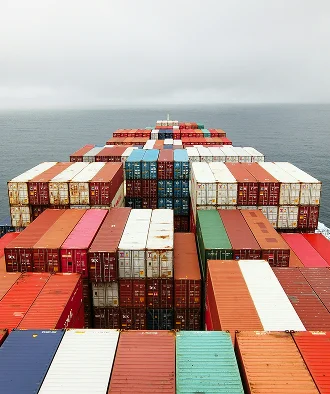
Cost-effective for bulk shipments, heavy cargo, and large commercial consignments.
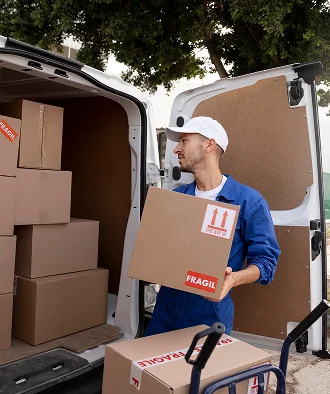
Used for cross-border regional trade via trucking or rail transport.
Combines air, sea, and land transport for optimized supply chain efficiency.
Challenges in International Freight Forwarding
While freight forwarding streamlines global logistics, certain challenges exist:
- Changing customs regulations
- Port congestion and delays
- Fuel price fluctuations
- Documentation errors
- Geopolitical trade restrictions.
How to Choose the Right Freight Forwarding Partner
Selecting the right freight forwarding company is essential for smooth cargo operations. Consider the following factors:
- Industry experience
- Global logistics network
- Transparent pricing structure
- Customs clearance expertise
- Real-time shipment tracking
- Customer support reliability
Future of Freight Forwarding & Digital Logistics
The logistics industry is rapidly evolving with technology integration. Key trends include:
- Digital freight platforms
- Automated customs documentation
- Route optimization
- Supply chain tracking
- Real-time cargo analytics
Why Freight Forwarding Is Essential for Business Growth
Freight forwarding is the backbone of international cargo shipping and global supply chain management. It ensures goods move efficiently across borders while maintaining compliance, cost control, and delivery reliability. For businesses engaged in import-export trade, eCommerce shipping, or international distribution, professional freight forwarding services provide structured logistics management, secure cargo handling, and seamless global connectivity. In an increasingly globalized economy, efficient freight forwarding is not optional — it is a competitive advantage.