Shipping from China to Dubai has become one of the most active global trade routes due to strong commercial ties, manufacturing demand, and growing import markets in the UAE. Businesses rely on efficient cargo services to transport electronics, machinery, textiles, furniture, construction materials, and consumer goods from China to Dubai safely and cost-effectively.

Introduction to Shipping from China to Dubai
Shipping from China to Dubai has become one of the most active global trade routes due to strong commercial ties, manufacturing demand, and growing import markets in the UAE. Businesses rely on efficient cargo services to transport electronics, machinery, textiles, furniture, construction materials, and consumer goods from China to Dubai safely and cost-effectively.
Whether you are an importer, wholesaler, eCommerce seller, or corporate buyer, understanding freight options, transit times, shipping costs, and customs clearance procedures is essential for smooth cargo movement. This guide explains everything about China to Dubai cargo shipping, including air freight, sea freight, costs, documentation, and logistics strategies.
Why the China to Dubai Trade Route Is Important
China is one of the largest global manufacturing hubs, while Dubai serves as a strategic logistics gateway for the Middle East. The strong trade corridor between these regions supports:
- Wholesale and retail imports
- Construction and infrastructure projects
- Electronics and automotive supply chains
- eCommerce and distribution networks
Efficient freight services ensure goods move quickly from Chinese suppliers to Dubai markets.
Major Shipping Methods from China to Dubai
Businesses can choose between air freight and sea freight depending on urgency, cargo volume, and budget.
1. Air Freight from China to Dubai
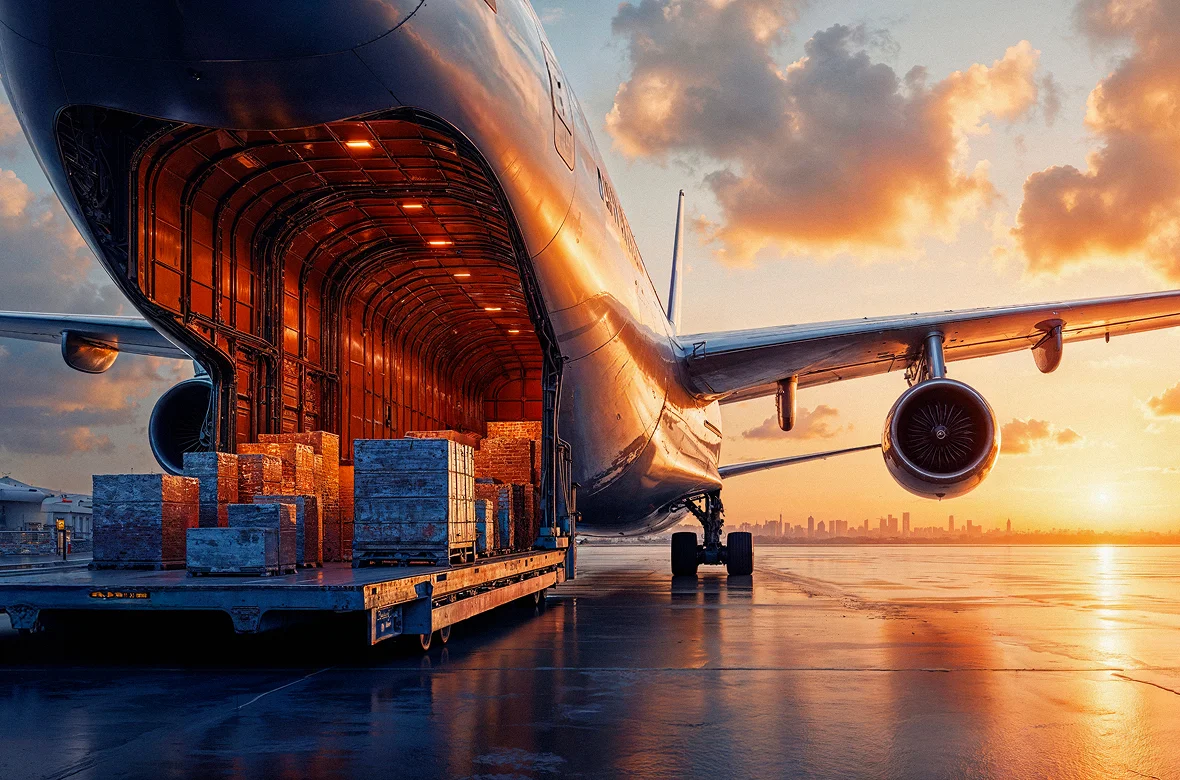
Air cargo is ideal for urgent, high-value, or lightweight shipments.
Advantages:
- Fast transit (3–7 days)
- High reliability
- Lower risk of cargo damage
- Suitable for electronics and luxury goods
- Urgent commercial shipments
- Sample shipments
- High-demand inventory restocking
2. Sea Freight from China to Dubai
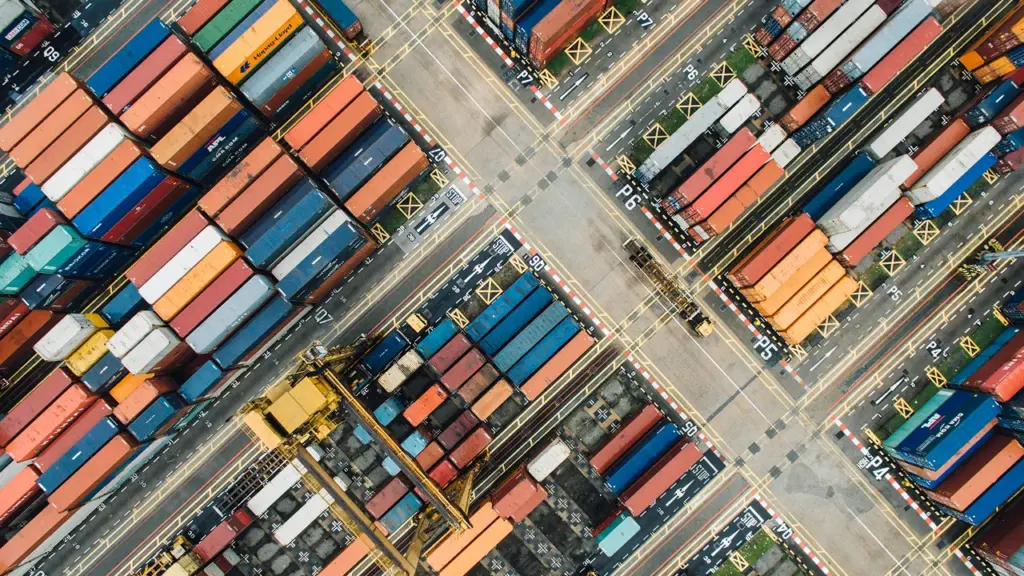
Sea freight is the most cost-effective option for bulk cargo and heavy shipments.
There are two main options:
- FCL (Full Container Load)
- LCL (Less than Container Load)
- Lower cost per unit
- Ideal for large volume shipments
- Suitable for industrial goods and furniture
Air Freight vs Sea Freight Comparison
Choosing the right freight method depends on business priorities.
| Factor | Air Freight | Sea Freight |
|---|---|---|
| Transit Time | 3–7 Days | 20–35 Days |
| Shipping Cost | Higher | More economical |
| Cargo Size | Limited | Large volumes |
| Ideal For | Urgent goods | Bulk shipments |
| Risk Level | Low | Moderate |
Major Ports & Airports for China to Dubai Shipping
Major Chinese Export Ports
- Shanghai
- Shenzhen
- Ningbo
- Guangzhou
- Qingdao
Dubai Entry Points
Jebel Ali Port is one of the largest and busiest ports in the region, making it a primary hub for China–Dubai sea cargo.
- Jebel Ali Port (Sea Freight)
- Dubai International Airport (Air Freight)
Shipping Cost from China to Dubai
Shipping cost depends on several factors:
1. Cargo Weight & Volume
Freight is calculated based on chargeable weight or cubic meters.2. Shipping Mode
Air freight is faster but more expensive than sea freight.3. Fuel & Carrier Surcharges
Rates fluctuate based on fuel prices and global shipping demand.4. Customs Duties & VAT
Import taxes in Dubai affect total landed cost.5. Additional Services
- Door-to-door delivery
- Warehousing
- Insurance
- Customs brokerage
Proper documentation ensures smooth customs clearance.
Essential documents include:
- Commercial Invoice
- Packing List
- Bill of Lading (Sea Freight)
- Airway Bill (Air Freight)
- Certificate of Origin
- Import License (if required)
Incorrect paperwork can cause customs delays and additional storage charges.
Customs clearance is a critical stage in international cargo shipping.
The process includes:
- Submission of shipping documents
- Customs inspection (if required)
- Payment of import duties and VAT
- Cargo release approval
Working with an experienced freight forwarder helps avoid delays and ensures compliance with UAE import regulations.
Door-to-door cargo service simplifies the entire logistics process by managing:
- Cargo pickup from supplier
- Export clearance in China
- International transportation
- Import clearance in Dubai
- Final delivery to warehouse or business location
This service is ideal for businesses seeking hassle-free logistics solutions.
Some of the most commonly imported goods include:
- Electronics & gadgets
- Home appliances
- Furniture
- Construction materials
- Textiles & garments
- Automotive spare parts
- Machinery & equipment
Dubai’s market demand makes China a preferred sourcing destination.
Challenges in China to Dubai Shipping
Despite being a well-established trade route, businesses may face:
- Shipping delays during peak seasons
- Port congestion
- Incorrect documentation
- Freight rate fluctuations
- Customs inspections
How to Reduce Shipping Costs from China to Dubai
Businesses can optimize freight expenses by:
- Consolidating shipments (LCL)
- Planning inventory in advance
- Comparing air vs sea freight options
- Using experienced freight forwarders
- Ensuring correct documentation to avoid penalties
Why Choose Professional Freight Services
A reliable freight forwarding partner provides:
- Competitive freight rates
- Efficient customs clearance
- Real-time cargo tracking
- Secure packaging & handling
- Transparent pricing
- End-to-end logistics management
Conclusion
Shipping from China to Dubai is a critical global trade route supporting various industries and commercial sectors. Whether choosing air freight for speed or sea freight for cost efficiency, businesses must carefully plan logistics, documentation, and customs compliance.
By partnering with an experienced cargo shipping company, importers can ensure smooth transportation, timely delivery, and cost-effective international freight services.
Efficient logistics is not just about moving goods — it’s about building a reliable global supply chain.